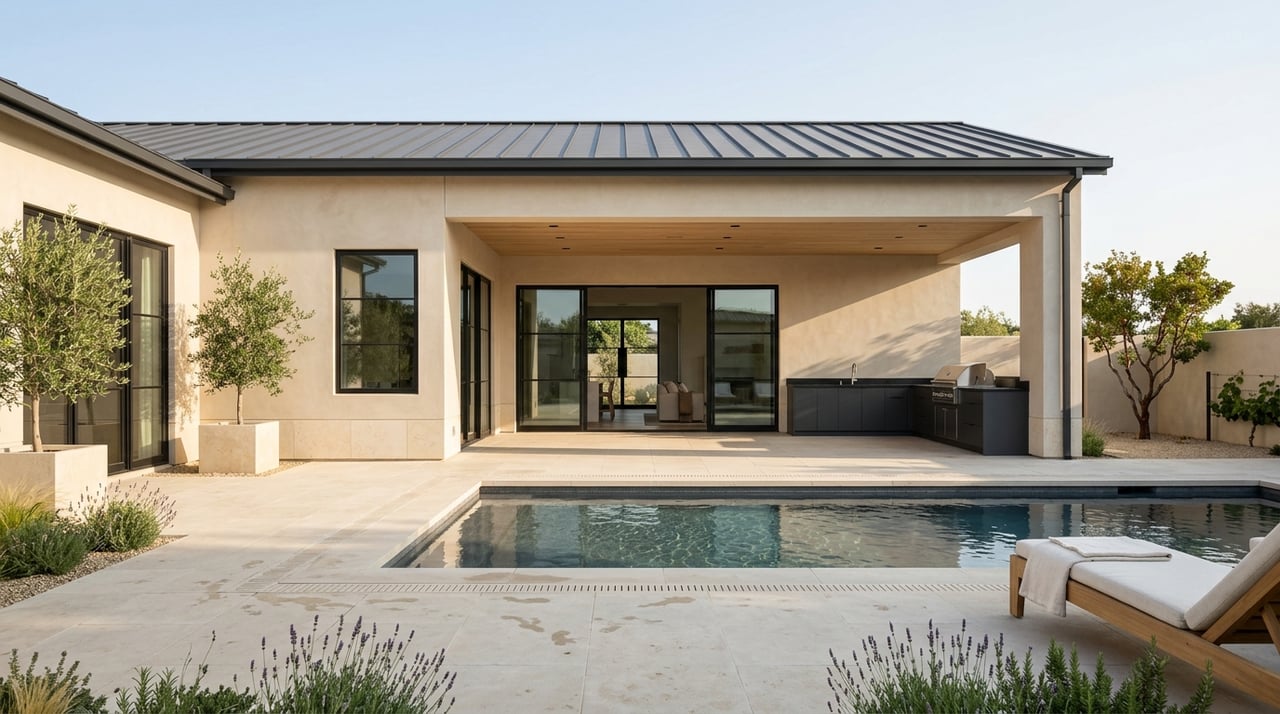
If you are dreaming about vineyard views, tasting rooms nearby, and a home that feels like a true escape, Paso Robles probably already has your attention. Buying here can be exciting, but it also comes with choices that matter, from where you buy to how you plan to use the property. This guide will help you understand Paso Robles home types, key area options, current pricing, and the rules that can affect a second home or vacation property. Let’s dive in.
Why Paso Robles Draws Buyers
Paso Robles offers a mix that is hard to find in one place. It has a historic downtown, a largely detached-home housing base, and a strong wine-country identity shaped by more than 200 wineries and about 40,000 acres of wine grapes.
The setting also adds to the appeal. The area is known for a Mediterranean climate with warm days and cool nights, and the city describes itself as a compact urban and suburban form in a rural setting. For you as a buyer, that means you can find homes near shops and restaurants, or look toward the edges of town for more open surroundings.
Paso Robles Areas to Know
Choosing the right part of Paso Robles starts with your lifestyle. Some buyers want walkability and easy access to downtown activity, while others want more privacy, larger parcels, or a stronger vineyard-country feel.
Downtown and Uptown Living
The Downtown District sits roughly between 15th Street, Spring Street, 10th Street, and the railroad tracks. This is the historic and retail heart of Paso Robles, with Downtown City Park as a central gathering point.
If you want a home base close to restaurants, events, and tasting rooms, this area stands out. The tourism office notes more than 20 tasting rooms around the walkable downtown city park and its Downtown Winery Trail, which gives this part of town a lively, convenient feel.
Westside Historic District
The Westside Historic District is identified by the city as the oldest residential area in Paso Robles. It includes Oak, Vine, Olive, and Chestnut streets from 8th to 21st streets and contains a mix of single-family, multifamily, and office or professional uses.
This is a smart area to explore if you are drawn to older homes and a location near the town center. It can also appeal to buyers who want to study infill possibilities or simply enjoy the character of an established neighborhood pattern.
Borkey Area
The Borkey Area Specific Plan covers about 770 acres north of Highway 46 East between the Salinas River and Combine Street. It includes single-family and multifamily neighborhoods, plus commercial and industrial properties and the Cuesta College North County Campus.
For many buyers, this area may feel more suburban in layout. It can be a useful place to search if you want easier arterial access and a setting that differs from the older core near downtown.
Eastside Vineyard Areas
On the east side, the Geneseo District is one of the clearest reference points for vineyard-oriented property searches. The Paso Robles Wine Country Alliance describes it as a terrace-based district around the Estrella River and Huerhuero Creek, with warm growing conditions balanced by cool nights.
If you are looking at acreage or estate-style settings near vineyard land, this area may deserve a closer look. It speaks to buyers who want more space and a stronger connection to the agricultural side of Paso Robles.
Westside Vineyard Areas
On the west side, the Adelaida and Willow Creek districts often stand out. Adelaida is the northwesternmost subregion of the AVA, while Willow Creek is described as cool-weather, mountainous terrain with limestone soils and notable vineyard concentration.
These westside areas may suit you if privacy, views, and a hill-country setting are high on your list. They tend to align with a more tucked-away wine-country experience rather than a downtown-centered one.
What Types of Homes You Can Expect
Paso Robles is still, first and foremost, a detached-home market. According to the city’s housing element update, about 71% of housing units are single-family detached, about 7% are attached single-family, about 20% are multifamily, and about 2% are mobile homes.
That tells you something important right away. If you start your search in Paso Robles, the most common property type you will see is the traditional house.
At the same time, your options are broader than many buyers first assume. Planning documents point to a mix of older homes near the historic core, mixed-use and added residential opportunities in the Uptown and Town Centre area, and both single-family and multifamily neighborhoods in places like the Borkey Area.
In practical terms, you can think of the market like this:
- Near downtown and the historic core: older homes, mixed-use surroundings, and established streets
- On newer edges of town: more subdivision-style housing patterns
- In vineyard districts and rural areas: larger parcels and estate-style properties
If your long-term plan includes land, custom features, or a more tailored property search, it helps to define that early. In a market like Paso Robles, your home type and your location choice are closely connected.
What Homes Cost Right Now
Paso Robles remains a high-price Central Coast market, but current data suggests a steadier pace rather than sharp price acceleration. Zillow reports a typical home value of $777,177 through April 30, 2026, up 1.3% year over year.
Redfin reports a median sale price of $780,000, down 1.9% year over year, with homes receiving about one offer on average and selling in about 59 days. Realtor.com’s 93446 market page shows a median listing price of $875,000 in March 2026.
Because each source measures the market a little differently, the safest takeaway is that Paso Robles is broadly operating in the high-$700,000s to mid-$800,000s, with meaningful variation by property type and area. A downtown-adjacent home, a suburban-style home, and a vineyard-area estate are not likely to compete in the same price band.
Short-Term Rental Rules Matter
If you are buying a second home, vacation home, or investment-minded property, this is one of the most important parts of your due diligence. In Paso Robles, short-term rental rules can directly affect whether your purchase fits your plans.
Inside Paso Robles City Limits
Within city limits, a short-term rental permit is required for any rental under 30 days. The city states that non-hosted short-term rental permits are at capacity and new applications are waitlisted, while homeshare permits are not capped.
As of March 2, 2026, the city’s short-term rental page showed 406 permits issued citywide and 79 applications on the waitlist. If your goal is to buy a home and operate it as a non-hosted short-term rental, you should confirm the current status before making assumptions.
The city’s permit materials also require:
- A 24/7 owner or agent contact
- Neighbor notification
- Compliance with business license requirements
- Compliance with transient occupancy tax requirements
The city’s transient occupancy tax rate is 11%, effective February 1, 2023. The permit packet also notes that HOA rules and CC&Rs may still restrict use, even if the city issues a permit.
Outside City Limits in the County
If the property is outside Paso Robles city limits and in unincorporated San Luis Obispo County, the process changes. The county requires zoning clearance and a county business license for vacation rentals, and lodging businesses must collect transient occupancy tax and other required assessments.
This is why boundary lines matter. Before you move forward with a vacation-rental strategy, make sure you know whether the property is inside the city or in the county, because the rules are not the same.
Matching the Home to Your Lifestyle
A successful Paso Robles purchase usually starts with clarity. You do not just need the right house. You need the right combination of setting, daily rhythm, and property use.
If you want easy access to tasting rooms, events, and a walkable social scene, downtown is the clearest fit. Downtown City Park hosts the farmers market twice a week and summer Concerts in the Park, and the area also draws visitors for annual events such as Paso Wine Fest and the California Mid-State Fair.
If your goal is a more private wine-country retreat, the westside districts and edge-of-town rural areas may be a better match. Those areas can offer a quieter atmosphere and a stronger sense of separation from the downtown pace.
Before you make an offer, it helps to line up three decisions:
- Your lifestyle goal
- The area that supports that lifestyle
- The legal use you need for the property
When those three pieces fit together, your search becomes much more focused and much less stressful.
Smart Steps Before You Buy
Paso Robles can offer everything from a downtown home base to a vineyard-area retreat, but the details matter. A thoughtful buying strategy can help you avoid surprises and feel more confident from the start.
Here are a few smart steps to take:
- Define whether this will be a primary home, second home, or investment-oriented purchase
- Narrow your search by lifestyle first, then by property features
- Verify whether the property is inside city limits or in unincorporated county area
- Review short-term rental rules before relying on rental income plans
- Check HOA documents and CC&Rs when applicable
- Compare pricing by location and home type, not just by citywide averages
A concierge-style approach can make a big difference here, especially if you are buying from outside the area or comparing resale homes with land or custom-build possibilities. Clear guidance helps you move with purpose instead of guessing your way through the process.
If you are exploring Paso Robles as a wine-country home destination, working with someone who can help you connect lifestyle goals, property type, and practical due diligence can save time and protect your options. When you are ready to talk through your search, connect with Jerri Delfino.
FAQs
What makes Paso Robles appealing for wine country homebuyers?
- Paso Robles combines a historic downtown, a largely detached-home market, vineyard surroundings, more than 200 wineries, and a climate known for warm days and cool nights.
What types of homes are common in Paso Robles?
- Single-family detached homes are the most common, making up about 71% of the housing stock, with additional options including attached homes, multifamily properties, and mobile homes.
What is the Westside Historic District in Paso Robles?
- It is the city’s oldest residential area, located along Oak, Vine, Olive, and Chestnut streets from 8th to 21st streets, and it includes a mix of single-family, multifamily, and office or professional uses.
What is the average home price in Paso Robles?
- Current market snapshots place Paso Robles broadly in the high-$700,000s to mid-$800,000s, depending on the source, neighborhood, and property type.
Can you use a Paso Robles home as a short-term rental?
- Possibly, but the rules depend on whether the property is inside Paso Robles city limits or in unincorporated San Luis Obispo County, and city permits for non-hosted short-term rentals are currently at capacity with a waitlist.
Why should Paso Robles buyers verify city versus county location?
- The approval process for vacation or short-term rental use differs between Paso Robles city rules and San Luis Obispo County rules, so the property location can directly affect your plans.