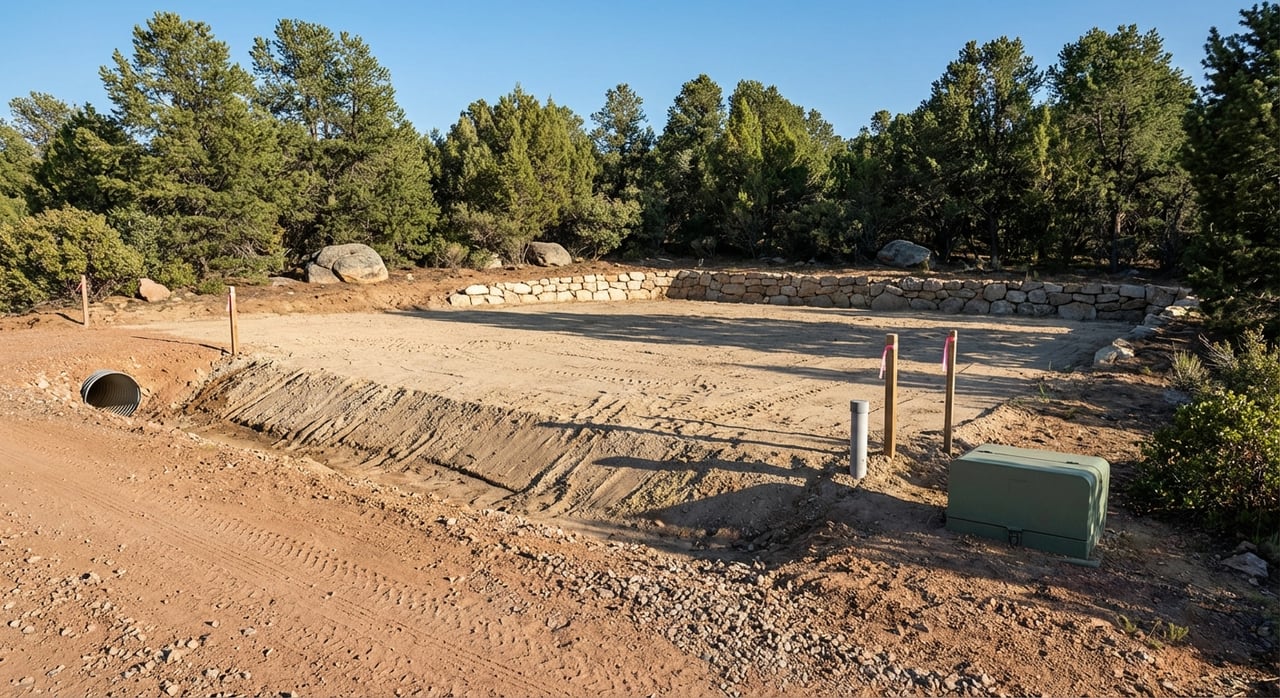
You found the perfect slice of Tehachapi. Big skies, mountain air, and room to build the custom home you’ve been picturing. Now comes the real question: can you actually build what you want on that land, within a budget and timeline that makes sense? You’re not alone. Many buyers love a parcel at first sight, then discover zoning, wells, septic, wildfire rules, or utility extensions that change the plan. In this guide, you’ll learn how to evaluate Tehachapi land step by step, spot the true cost drivers, and set up a smooth path to permits and construction. Let’s dive in.
Start with jurisdiction and zoning
Tehachapi area parcels fall under two different authorities. Lots inside city limits follow the City of Tehachapi’s rules and permitting. Most rural acreage sits in unincorporated Kern County with different processes and fees. Start by confirming which office will handle your permits.
- Check if the parcel is inside city limits and review permit steps with the City of Tehachapi’s Building Department. The city provides process guidance and enforces state codes. City of Tehachapi — Building Department
- If the property is outside the city, confirm the zoning district on Kern County’s zone maps. Zoning determines minimum lot sizes, setbacks, and whether your intended use is allowed by right or needs a permit. Kern County — Zone Maps
- For city parcels, review the Tehachapi Zoning Code. Some areas use a form-based approach that ties building form and placement to the neighborhood’s plan. Tehachapi Zoning Code
Tip: Note any recorded easements, private road agreements, and HOA or Community Services District (CSD) rules early. These can affect driveway siting, utility runs, and long-term maintenance obligations.
Water, sewer, and septic basics
Water and sewer in and around Tehachapi are a patchwork. Some city parcels connect to municipal water and sewer. Many rural lots rely on local districts or private wells and septic systems. Confirm the exact provider and status as soon as you identify a parcel.
- Ask the seller for proof of current water service or a well log. If service is by a local district, call to confirm capacity and connection fees. For city and local contacts, start with the regional resource hub. Tehachapi Water — Local Providers
- If there is no sewer, plan for an on-site wastewater treatment system. Kern County Environmental Health oversees septic permitting, perc testing, and reserve-area requirements. Get a percolation test and a site evaluation before removing contingencies. Kern County — Septic Systems
Why it matters: Wells vary in depth and yield by location, and septic feasibility depends on soil permeability and space for primary and reserve fields. These two items can make or break your build plan and timeline.
Terrain, soils, and wildfire risk
Tehachapi’s topography is beautiful, but your site’s slope and soil type can increase costs. Hillside builds often need more grading, retaining walls, engineered drainage, and larger foundations. Most new homes will require a soils report to confirm bearing capacity and foundation design.
- Local soils vary. Steuber and related series around Cummings Valley, for example, can influence drainage and perc rates. A soils engineer will verify conditions on site. NRCS — Steuber Soil Series
- Wildfire hazard designations are changing. CAL FIRE’s updated Fire Hazard Severity Zone maps are being adopted by local jurisdictions. Parcels in High or Very High zones face stricter building material, defensible space, and landscaping rules, which can affect costs and insurance. CAL FIRE — Fire Hazard Severity Zones
Bottom line: A moderate slope can be manageable. Very steep or rocky lots often add cost for grading, retaining walls, and specialized engineering. Wildfire rules shape your design, plant list, and sometimes your driveway and turnarounds.
Seismic checks you should run
Tehachapi sits near major Quaternary faults, including the Garlock. A geotechnical engineer will evaluate proximity to active traces and advise on foundation design, setbacks, and settlement risk. You can review fault context before you order reports to understand the regional picture. USGS — Garlock Fault Overview
Utilities and access costs
For many rural builds, utilities drive the biggest surprises. A short extension from the nearest pole or main can be routine. A long private run or a needed transformer upgrade can be a material cost and timeline item.
- Electric: Southern California Edison serves the area. Ask for a will-serve or service-availability review and a written line-extension estimate. Customer contributions for line extensions and transformer work are common under SCE’s rules. SCE — Tehachapi Renewable Transmission Project and SCE Rule 16 — Service Extensions
- Gas: Some neighborhoods have SoCalGas at the property line. Many rural lots do not. If there is no main, plan for propane and confirm pad siting and setbacks during design.
- Access: Confirm whether your driveway connects to a state, county, or private road. State and county roads require encroachment permits. Driveway slope, width, turnouts, and fire-truck maneuvering can affect earthwork and design.
Pro tip: Request will-serve letters from all relevant providers as soon as you open escrow. Include electric, gas, water, and internet if service level is important for your home office or entertainment needs.
Permits, reviews, and fees
Understanding who signs off on your plans helps you set a realistic timeline.
- Inside city limits, the City of Tehachapi issues building permits, coordinates plan checks, and routes to Kern County Fire for fire prevention review. City of Tehachapi — Building Department
- In unincorporated areas, Kern County Development Services routes your plans to planning, building, fire, public works/roads, and environmental health for septic.
- Typical fee categories can include plan-check and inspection fees, school district fees, and other impact fees depending on location and scope. Ask for a fee estimate for a new single-family residence once you know square footage and basic sitework needs.
If you plan to use a septic system, Kern County’s OWTS rules specify conventional and alternative systems, reserve-area requirements, and ongoing monitoring for certain designs. Alternative systems can raise upfront and maintenance costs, so confirm feasibility early.
A simple feasibility workflow
Use this practical sequence to de-risk your purchase and build:
- Desktop check. Confirm city vs county jurisdiction, zoning, and flood and wildfire designations. Use Kern County’s zone maps and the CAL FIRE FHSZ viewer for a quick risk picture. Kern County — Zone Maps and CAL FIRE — FHSZ
- Document request. Ask the seller for the parcel map, deed, recorded easements, CC&Rs or HOA/CSD rules, any prior septic permits or as-builts, and any water-service account info or well logs. Kern County — Septic Systems
- Will-serve letters. Request written confirmations and preliminary estimates from SCE for electric and the applicable water district for meters and capacity. If gas is desired, ask SoCalGas about mains and service timelines. SCE — Tehachapi Project
- Order critical reports. During your contingency window, order a boundary/topo survey, a soils/geotechnical review, and a septic percolation test if no sewer. For well properties, schedule a well test and obtain nearby well logs when possible. NRCS — Steuber Soil Series
- Fire and access pre-check. Confirm defensible space standards, driveway slope and turnout needs, and water supply for fire sprinklers if required. Use the FHSZ designation to guide home-hardening details. CAL FIRE — FHSZ
- Builder estimate. With the above data, invite a local builder to create an itemized estimate that includes grading, foundation, septic, driveway, and utility extensions. This step turns unknowns into a realistic budget and schedule.
When to bring a builder
Bring a builder into the conversation during your feasibility period, not after. If your parcel has a long driveway or private road, noticeable slope or rock outcrops, a well or septic need, or sits in a High or Very High wildfire zone, early builder input is essential. A local contractor will translate surveys and reports into real costs and spot value-engineering opportunities.
As a boutique agent with a builder legacy, I can coordinate introductions and timelines so your design, engineering, and utility steps move in sync. If you want a streamlined lot-to-build path, our relationship with Delfino Homes can connect you to practical, on-the-ground pricing and construction planning.
Hidden costs to budget
Every site is different, but these are the most common surprises in the Tehachapi area:
- Septic: Slower soils or limited space can require an alternative system with higher install and monitoring costs.
- Water: Well depth and yield vary by area. Public water connections can include meter, capacity, and main-extension fees.
- Electric: Long line extensions, transformer upgrades, or three-phase service for shops can add significant cost. Review SCE’s extension rules and any customer contributions noted in your estimate. SCE Rule 16 — Service Extensions
- Grading and foundations: Steeper lots often need engineered retaining walls, larger footings, and more drainage control.
- Wildfire compliance: Fire-resistant materials, ember-resistant vents, defensible-space work, and landscaping changes may be required in High or Very High zones. CAL FIRE — FHSZ
Quick 7-day checklist
- Confirm city vs county jurisdiction and zoning.
- Request the parcel map, deed, easements, CC&Rs/HOA or CSD rules, and any septic or well records.
- Check the property’s wildfire designation and basic slope constraints.
- Request will-serve letters from electric, gas, and the applicable water provider.
- Order a topo survey and schedule a soils review and percolation test if needed.
- Verify road status and potential driveway or encroachment needs.
- Line up a builder consult for preliminary cost ranges once reports start coming in.
Ready to move from “maybe” to a plan?
Evaluating Tehachapi land does not need to be overwhelming. With the right sequence, you can confirm buildability, lock in utility paths, and choose a design that fits your site and budget. If you want a guided process from parcel search through permits and a credible builder estimate, I’m here to help coordinate the steps and the specialists.
Have a parcel in mind or want help sourcing the right lot-and-build package? Connect with Jerri Delfino to start your feasibility plan.
FAQs
What should I check first when buying Tehachapi land?
- Confirm city vs county jurisdiction, verify the zoning district, and identify water and sewer status before anything else.
How do I confirm water and septic for a rural lot?
- Call the local water district for capacity and fees, and schedule a percolation test with Kern County Environmental Health if there is no sewer connection.
What do CAL FIRE wildfire maps mean for my build?
- Parcels in High or Very High zones must meet stricter building and defensible-space standards, which can affect materials, landscaping, and insurance.
How can electric line extensions affect my budget?
- SCE may require customer contributions for distribution or transformer work, which can add significant cost and time depending on distance and capacity.
Do seismic faults near Tehachapi stop construction?
- Not usually, but a geotechnical engineer will check fault proximity and soil behavior, then recommend foundation designs that meet code and site conditions.