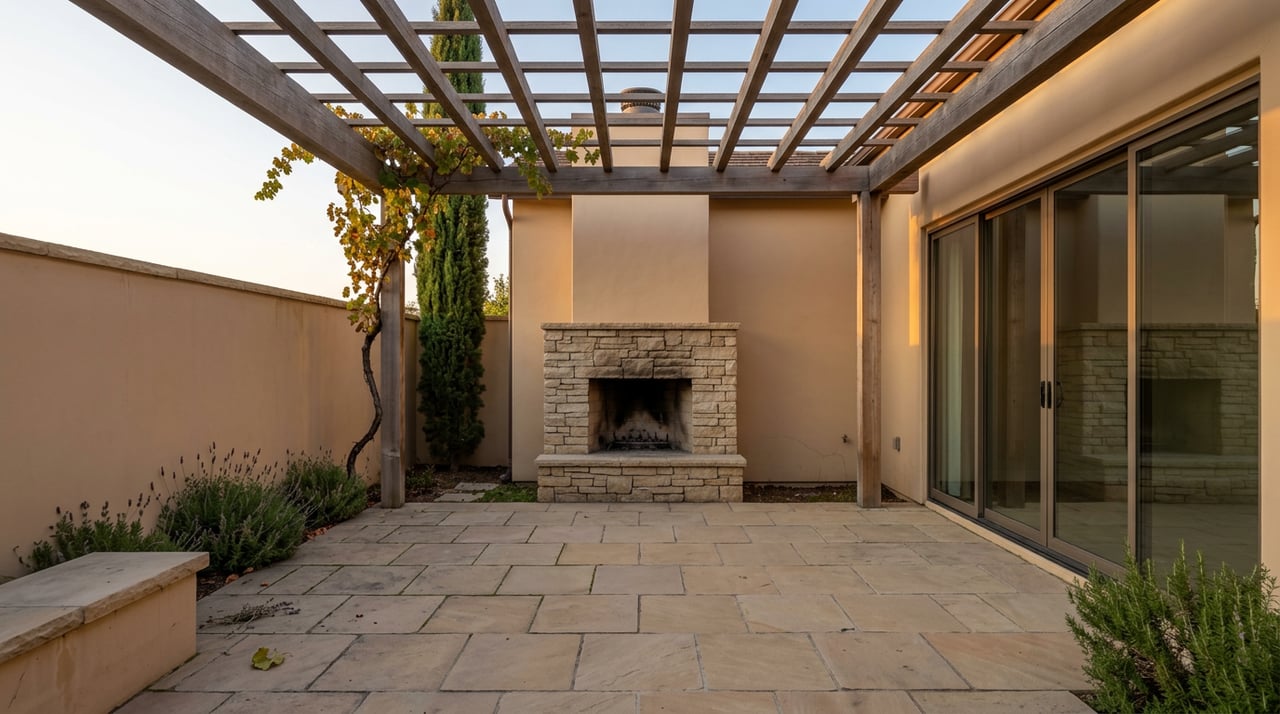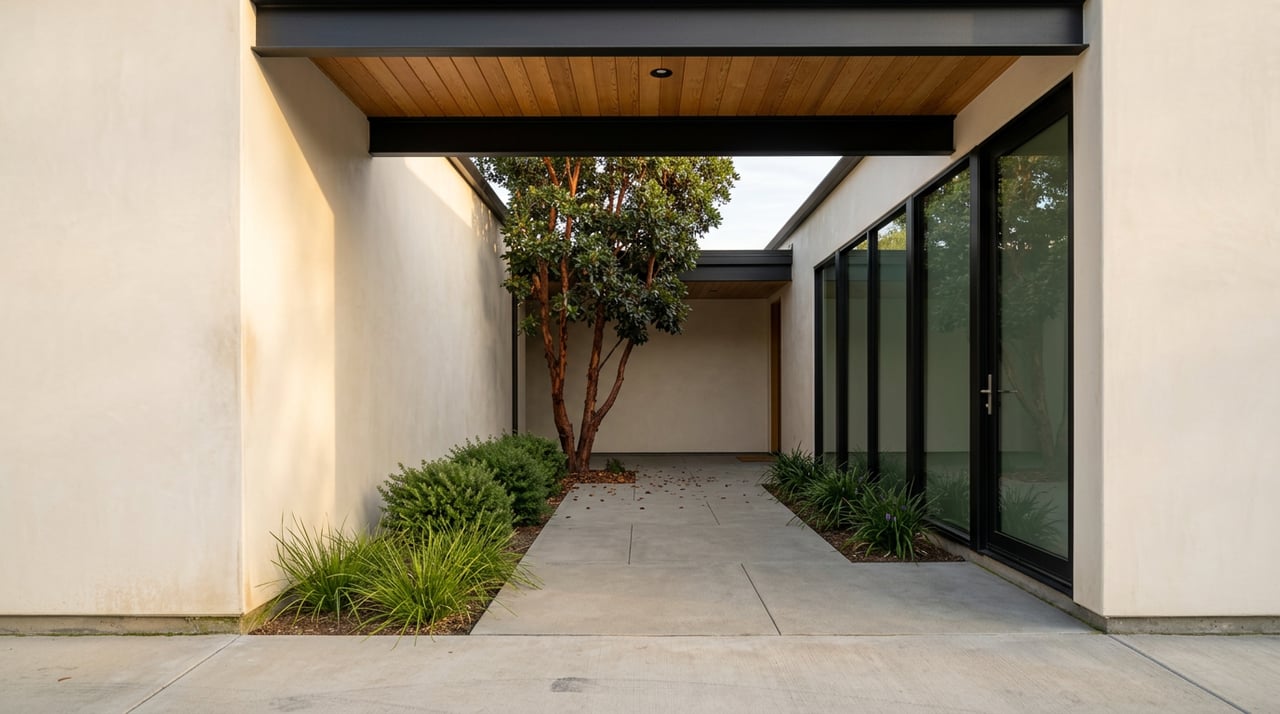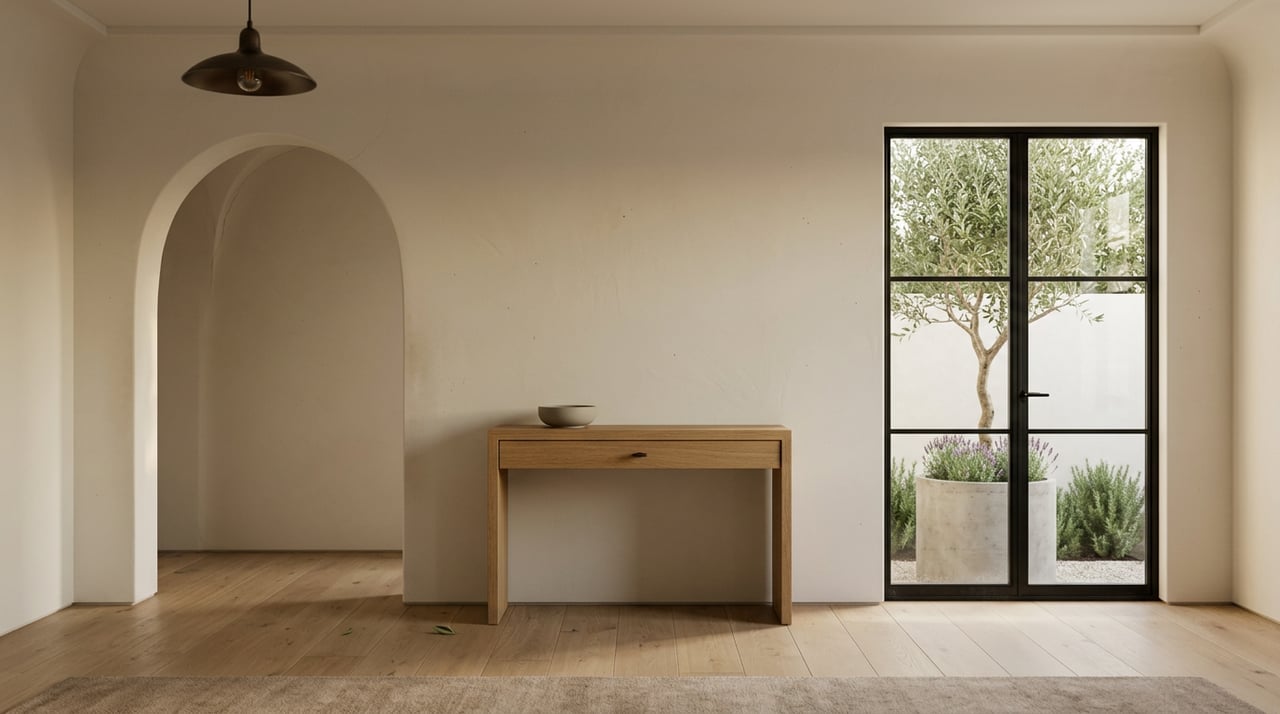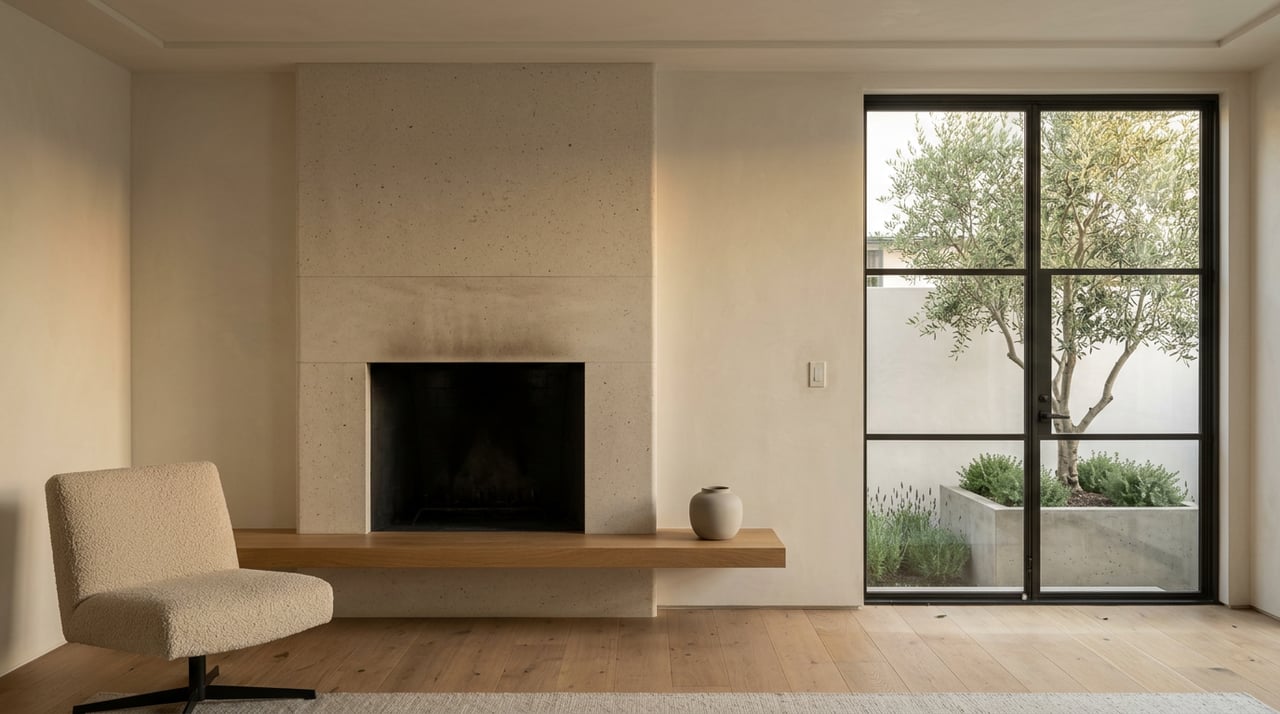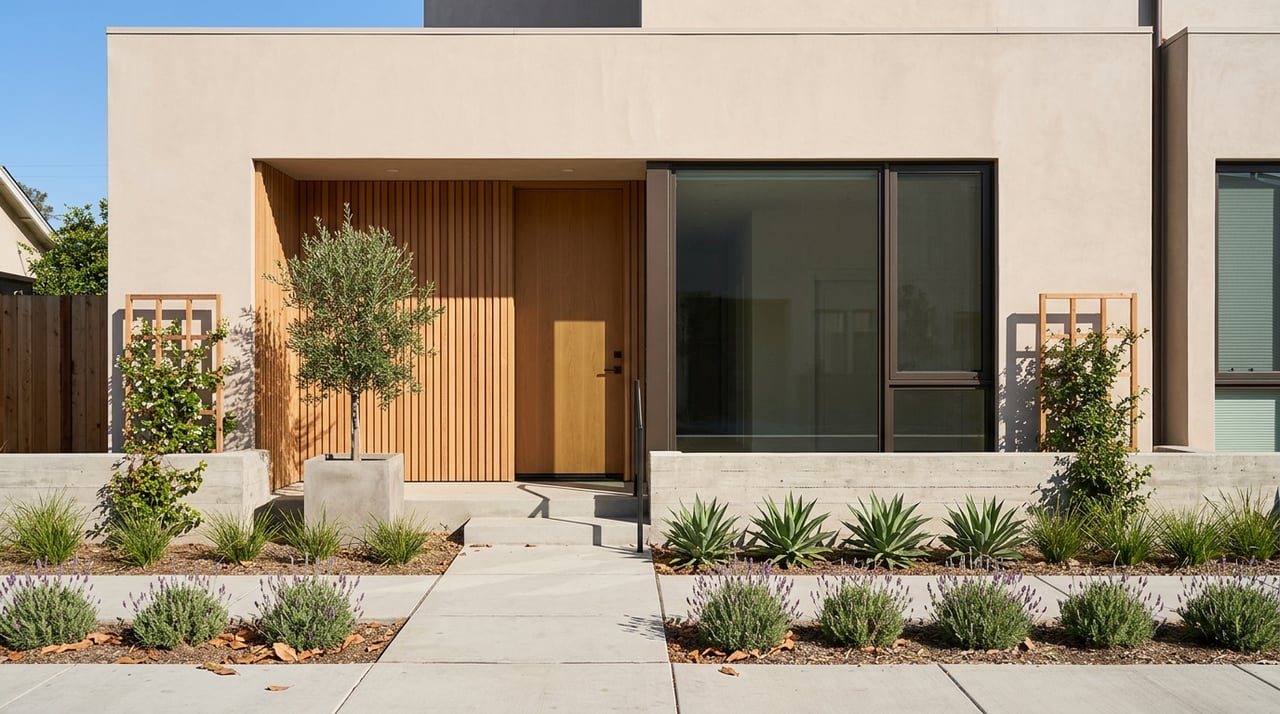
Imagine locking your front door, heading to the airport, and not worrying about mowing, exterior paint, or a leaking roof. If that sounds like your kind of freedom, lock-and-leave living could be a great fit. In San Luis Obispo, well-placed condos and townhomes offer a simple, low-maintenance lifestyle with walkable dining, arts, and outdoor access.
In this guide, you’ll learn where lock-and-leave shines in SLO, what you can expect to pay, how HOA, insurance, and rental rules actually work, and the key documents to review before you buy. Let’s dive in.
What lock-and-leave means
Lock-and-leave living is about convenience and confidence. You prioritize low maintenance, predictable costs, and a home that is easy to secure when you travel or split time between locations.
Core features to look for include:
- Exterior and roof maintenance handled by the HOA
- Secure building or gated entry
- Assigned or garage parking
- Low-maintenance exterior materials
- Package and mailbox security
- On-site or contracted property management for common areas
These features reduce your to-do list and support a simpler, travel-friendly routine.
Why SLO fits the lifestyle
San Luis Obispo balances a lively downtown with a relaxed Central Coast pace. The city’s overall Walk Score is moderate, but the blocks surrounding Mission Plaza and Broad Street are highly walkable with quick access to restaurants, shops, and services. You can preview neighborhood walkability by checking the city map on Walk Score’s San Luis Obispo page.
If you want Cal Poly access, units near campus offer quick trips to events and facilities. Proximity brings convenience along with typical campus-area considerations like parking and noise. This downtown and campus-adjacent zone is a distinct submarket where lock-and-leave living is most common.
Neighborhood snapshots
Downtown core near Mission Plaza
If you want a home that puts you close to dining, music, and the farmers’ market, the streets around Mission Plaza are your sweet spot. Many buildings here emphasize secured access and minimal yard work. Some older communities may not include private garages, so confirm assigned parking, guest parking, and storage during your search.
Railroad District, Walnut and Chorro corridors
These close-in pockets offer a mix of small condo buildings and townhomes. You often get a short walk or bike ride to downtown while staying just outside the busiest blocks. Units vary by age and amenity set, so compare what each HOA covers.
Sinsheimer Park and South Broad area
Newer townhome communities in these areas lean into modern floor plans, attached garages, and shared open spaces. Many emphasize simple exterior maintenance and community gathering areas that suit a lock-and-leave lifestyle.
Madonna area and west of 101
Planned townhome developments around Madonna and pockets west of the highway tend to offer newer construction, garage parking, and straightforward HOA coverage. You’ll typically trade a slightly longer walk to downtown for modern amenities and quick freeway access.
What it costs to buy and hold
Entry price varies by location, age, and size. Countywide snapshots in early 2026 put the median home price around the low to mid seven figures, with many buyers seeing a county median near $1.07 million. Within the city, townhomes and condos often price under comparable single-family homes. Two-bedroom condos commonly trade in the mid to upper six figures, while many townhomes land in the high six to low seven figures depending on square footage and proximity to downtown. Exact prices change month to month, so use recent comps for your target neighborhood.
Monthly HOA dues in SLO typically reflect the amenity set and what the association covers. Recent local examples show a practical range from about $150 to $425 or more per month, with some townhome communities marketing dues in the low to mid $200s. Lower dues can look appealing, but make sure they are not masking underfunded reserves.
For long-term cost planning, focus on total cost of ownership, not just the purchase price. Add HOA dues, your condo policy (HO-6), utilities, and a small reserve for interior maintenance to get a clear monthly picture.
HOA rules, reserves, and your legal framework
California condo and HOA communities operate under the Davis-Stirling Common Interest Development Act, which sets rules for disclosures, meetings, budgets, and reserves. You can review the act’s structure in the California Civil Code overview for HOAs.
One of the most important items for lock-and-leave buyers is reserve funding. Most associations must prepare a reserve study and provide an Assessment and Reserve Funding Disclosure as part of the annual budget package. If reserves are thin, owners face a higher risk of special assessments for exterior work, roofs, or building systems. Learn more about how reserve studies work from this Davis-Stirling reserve study guide.
Pro tip: Low dues are not automatically better. Strong reserves can be worth a few extra dollars each month if they reduce the likelihood of a surprise assessment later.
Insurance made simple: master policy vs HO-6
Your association carries a master policy. You, as the unit owner, typically carry an HO-6 policy for your interior finishes, personal property, liability, and loss assessment coverage. What you need depends on whether the master policy is “bare walls,” “single-entity,” or “all-in.” Ask the HOA for the master policy declarations page and deductible details, then have your insurance agent tailor coverage. For a plain-English overview, read this condo insurance guide.
For budgeting, national consumer guides place typical HO-6 premiums in the low hundreds per year, with local pricing driven by building age and wildfire or coastal exposure. A quick quote early in escrow helps you fine-tune costs. See a short explainer on condo insurance costs.
Short-term rental rules you must know
If you are buying a second home with rental ideas, confirm both city or county rules and the HOA’s CC&Rs.
- City of San Luis Obispo: The city generally allows only owner-occupied homestays with a permit. Non-owner vacation rentals are not permitted in most residential zones. You can review the city’s homestay and permit guidance.
- Unincorporated San Luis Obispo County: Many areas allow vacation rentals with county authorization and transient occupancy tax collection. Processes vary by location, including coastal zones. Check the County Land Use Ordinance for vacation rentals.
- HOA overlay: Even if local zoning allows rentals, your HOA may restrict or prohibit them. Rental policies must be disclosed under California law, so ask for the CC&Rs and a written rental policy statement.
Financing and warrantable status
Many lenders want condo projects to meet Fannie Mae or Freddie Mac eligibility standards, often called “warrantable.” Project eligibility factors include owner-occupancy levels, delinquency rates, reserve funding, litigation, and insurance. Non-warrantable projects can limit loan options or raise down payment and rate requirements. Share the community name with your lender early so they can run a project review. You can read Fannie Mae’s project eligibility overview and use HUD’s FHA Condominium Lookup if you need FHA financing.
The market pulse for attached homes
Nationally, condos softened in 2024 and 2025 relative to single-family homes, which influenced pricing and days on market in some urban or amenity-focused areas. Local results vary by neighborhood and building quality, especially in walkable downtown settings. You can read industry context in this condo market overview. When you evaluate a specific unit, compare recent comps within the community and immediate area rather than relying on national trends.
Attached vs single-family: practical tradeoffs
Buying a condo or townhome can reduce your time spent on yard work and exterior upkeep. You trade that time savings for a monthly HOA, and in some buildings, less private outdoor space. Townhomes with attached garages often provide secure parking and storage, which is valuable if you travel frequently. In older downtown condos, confirm assigned parking and storage options early in your search so you know how your daily routine will work.
Your lock-and-leave due diligence checklist
Before you remove contingencies, request and review these items:
- HOA resale packet with all statutory disclosures, including current monthly assessments and any approved special assessments. California requires specific disclosure details. See Civil Code summaries in the Davis-Stirling library.
- Current budget, recent statements, and the reserve study. Focus on the percent funded and any board plans to change dues. If the study is older than three years or reserves are low, note the risk of assessments. The reserve study guide explains key terms.
- Board meeting minutes from the last 12 months. Minutes can surface upcoming exterior work, planned assessments, or legal issues.
- Master insurance declarations page and deductible. Confirm whether the master policy is bare walls, single-entity, or all-in, then get an HO-6 quote. Use this condo insurance guide to frame questions.
- Rental policy excerpt from the CC&Rs and confirmation of city or county rules. Start with the city’s homestay overview and the county’s vacation rental ordinance.
- Lender project review or questionnaire to confirm warrantable status. Share Fannie Mae’s eligibility framework with your lender if needed, and check the FHA condo lookup when applicable.
- Practical operations: building security, keyless lock policy, assigned and guest parking, package lockers, and whether there is on-site or local property management.
- Any pending or threatened litigation. Project litigation can affect financing and reserves.
Who lock-and-leave living serves best
- Downsizers who want to keep a Central Coast lifestyle with less upkeep
- Busy professionals who value simple maintenance and walkable options
- Second-home owners who split time and want a secure, easy-to-manage base
If these goals sound familiar, a well-run condo or townhome community can add flexibility to your life.
How we help you buy with confidence
You deserve a smooth process and clear answers. With concierge-level service, local market insight across the Central Coast, and a builder-informed eye for construction quality and reserves, you get a practical plan from day one. From shortlisting communities that fit your lifestyle to coordinating lender project reviews, HOA document checks, and insurance quotes, we guide every step so you can move quickly and confidently.
Ready to explore the best lock-and-leave options in San Luis Obispo? Reach out to Jerri Delfino for a tailored list and a clear path to closing.
FAQs
What does lock-and-leave mean for San Luis Obispo buyers?
- It describes low-maintenance condo or townhome living where the HOA handles exterior elements, security is simple, and you can travel without ongoing property chores.
What are typical HOA dues for SLO condos and townhomes?
- Many local examples show dues around $150 to $425 or more per month, with higher fees tied to added amenities and wider HOA coverage.
Can I operate an Airbnb or short-term rental in the City of San Luis Obispo?
- The city generally allows only owner-occupied homestays with a permit, while non-owner vacation rentals are not allowed in most residential zones; review the city’s homestay guidance.
How does condo insurance work compared to the HOA master policy?
- The HOA insures the building under a master policy, while you carry an HO-6 for your interior, belongings, liability, and loss assessment; coverage depends on whether the master policy is bare walls, single-entity, or all-in.
What is a warrantable condo and why does it matter?
- A warrantable condo meets Fannie Mae or Freddie Mac project standards, which can unlock better loan terms; non-warrantable projects may require larger down payments or specialized financing.