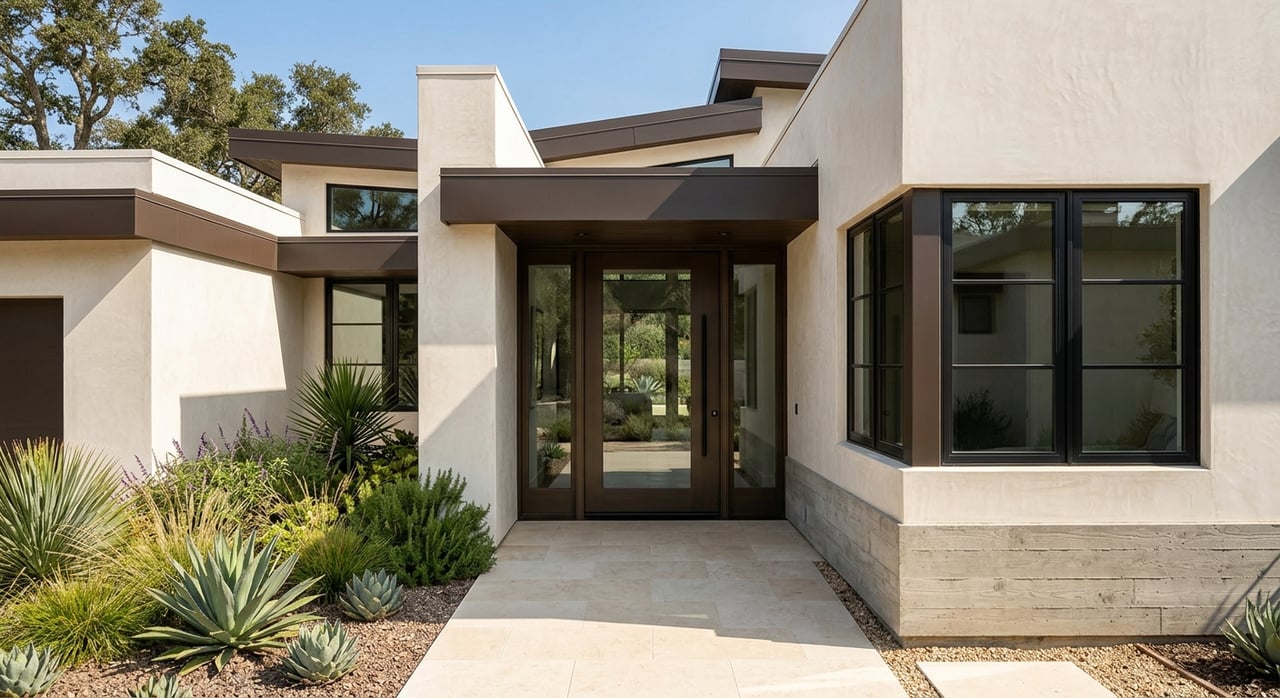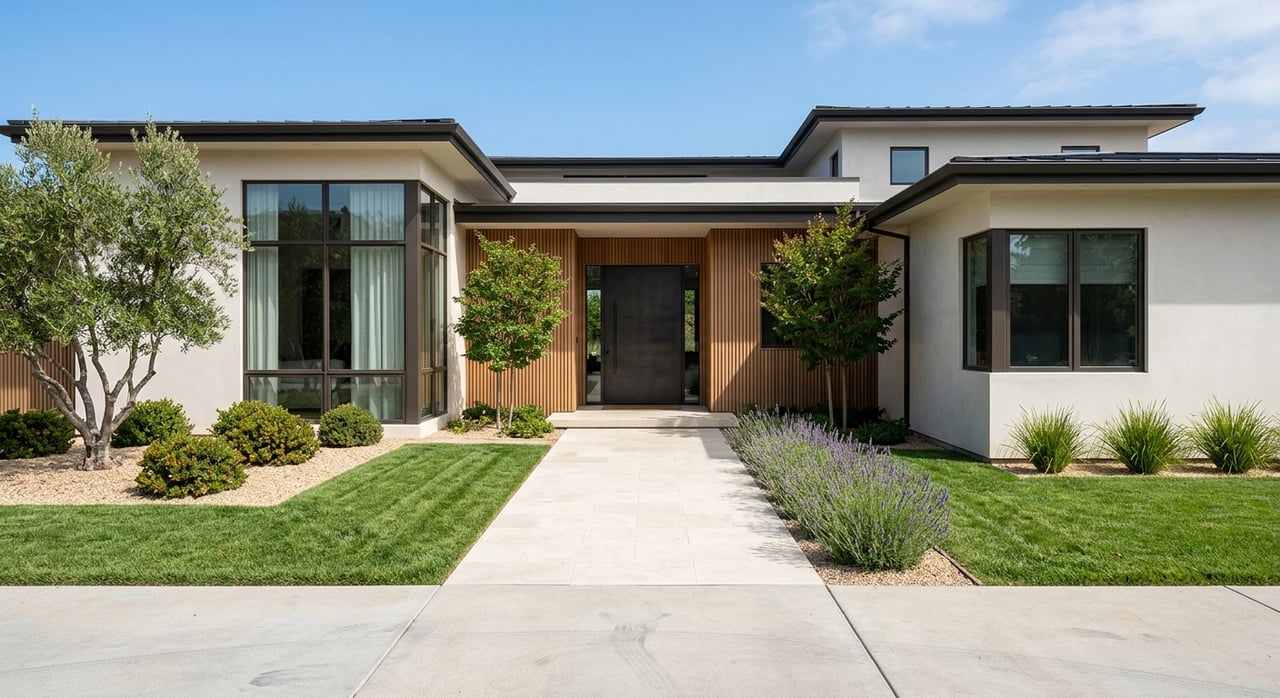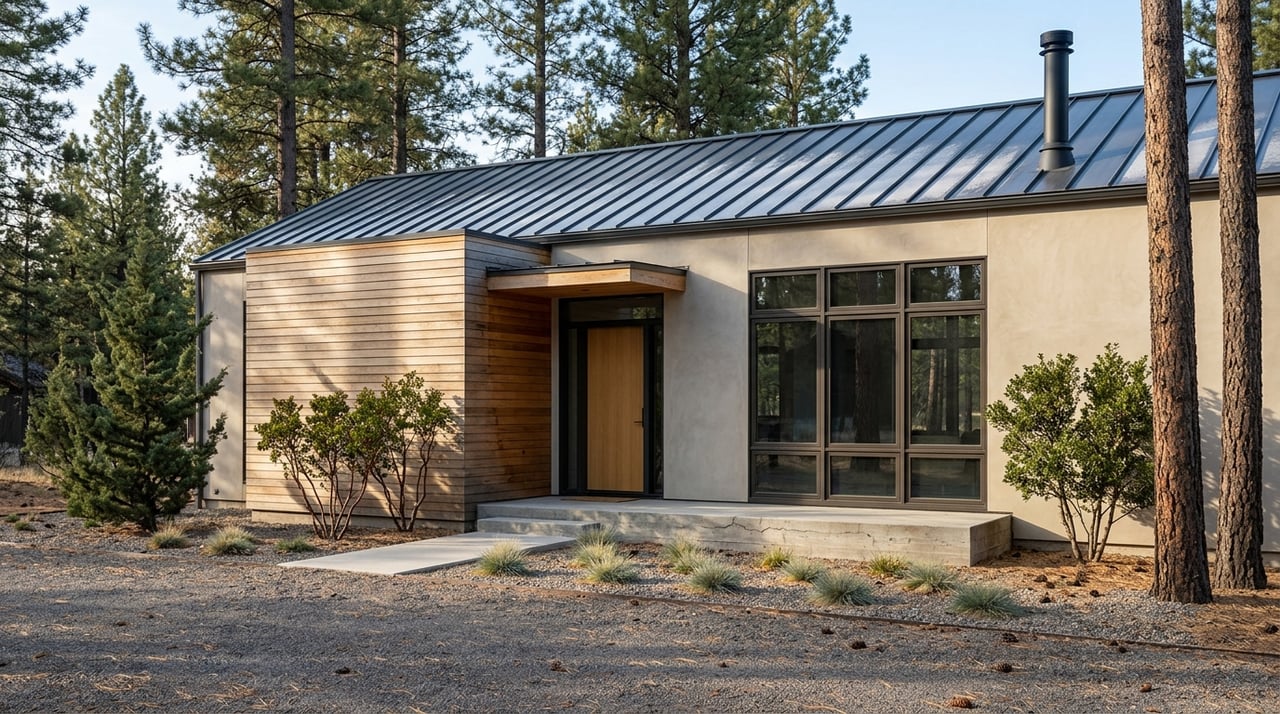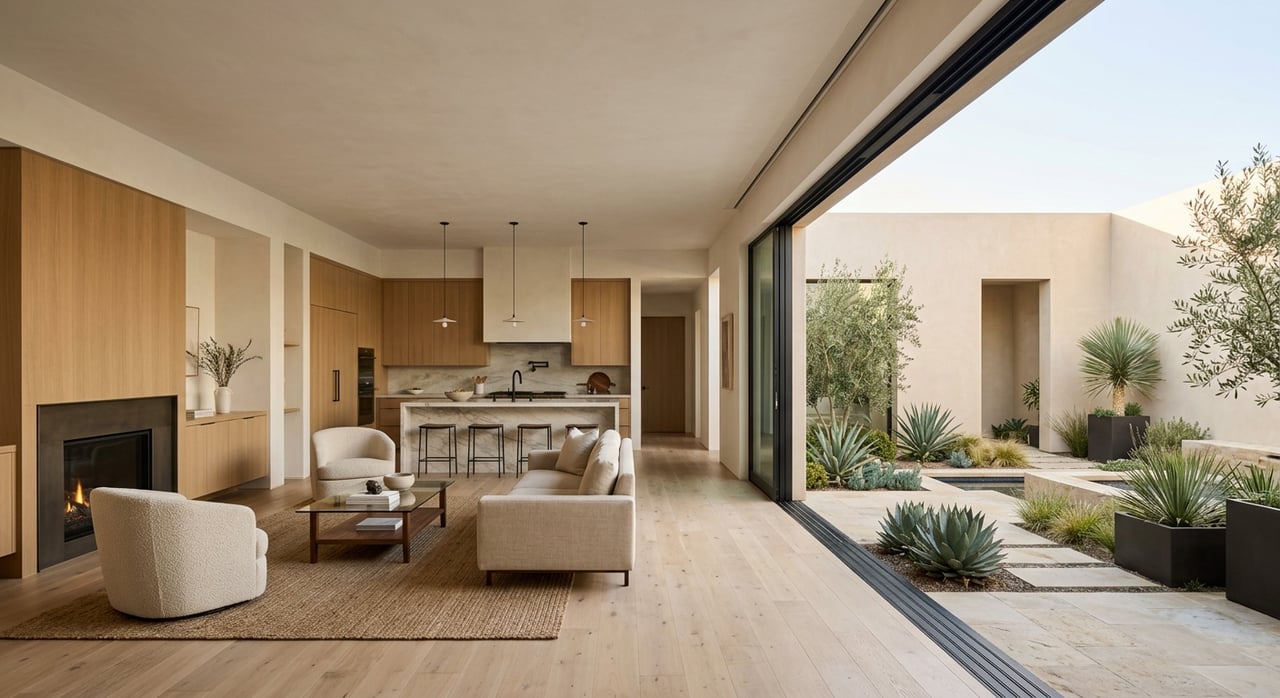
Wondering if building a custom home in Bakersfield will give you the space, layout, and lifestyle you actually want? It can, but the process works best when you plan the land search, permits, budget, and move timeline together from the start. If you want fewer surprises and a clearer path forward, this guide will walk you through the key decisions that matter most in Bakersfield. Let’s dive in.
Start With the Bakersfield Build Timeline
A custom build usually takes more coordination than buying a resale home. In Bakersfield’s spring 2026 market, the median sale price is around $415,000, the median listing price is around $420,000, and homes are typically moving in about 37 to 41 days. That matters because if you also need to buy land, secure financing, design the home, and possibly sell your current property, those steps often need to happen at the same time.
Instead of planning from the day construction begins, it helps to plan backward from permit approval, inspections, and final occupancy. That approach can help you avoid a gap between moving out of your current home and moving into your new one. It also gives you more room to manage loan draws, builder schedules, and any design revisions.
Confirm City or County Jurisdiction First
One of the first questions to answer is whether your lot is inside the City of Bakersfield or in unincorporated Kern County. This choice affects the permit path, development standards, review process, and some of the fees you may face. It is one of the most important early planning steps because it shapes almost everything that follows.
The City of Bakersfield routes development through its Development Services resources, including building, planning, land development, GIS tools, electronic planning applications, and permit-status tools. Unincorporated Kern County follows its own development standards, which apply outside incorporated cities and address areas such as streets, water systems, sanitary sewers, drainage, landscaping, environmental health, construction security, survey monuments, and traffic engineering.
If you are looking at land on the edge of town or in a less developed area, do not assume the process will be the same as an in-town lot. A parcel’s jurisdiction can change your approvals, timeline, and site requirements. Clarifying that early can save you both time and money.
Check Whether the Lot Is Truly Buildable
A beautiful parcel is not always a simple building site. Before you commit, you want to verify the basics: parcel boundaries, easements, and legal access. Kern County’s GIS data indicates its system models parcel boundaries, public easements, and legal lot lines, and both the city and county offer GIS tools that can help with early property research.
This is where practical due diligence matters. You want to know if the lot has access you can legally use, whether any easements affect where the home can sit, and whether lot lines align with your building plans. These details can influence home placement, driveway design, utility routing, and even privacy.
Evaluate Soils, Drainage, and Flood Risk
Site conditions can shift your budget quickly, especially on custom builds. Kern County Public Works states that a foundation and soils investigation is likely required under California Building Code Chapter 18. If the lot has challenging soil conditions, drainage concerns, or grading needs, the cost to prepare the site can rise before the foundation is ever poured.
Flood risk also needs a close look. Kern County’s flood portal and FEMA’s Flood Map Service Center are the official tools for checking flood zones and base flood elevation. If the parcel is affected by flood-zone requirements, you may need added planning, engineering, or elevation considerations before construction moves ahead.
Budget for More Than the House Itself
One of the biggest mistakes buyers make is treating the build budget as only the cost of the house. In reality, your full custom-home budget may include land, site work, utility connections, permit fees, and financing carry in addition to the structure itself. Those items can materially change your total cost.
A smart planning budget often separates costs into categories such as:
- Land acquisition
- Design and plan preparation
- Site work and grading
- Soils and engineering work
- Utility connection or extension costs
- Permit and review fees
- Construction costs
- Financing costs during the build
- Landscaping and exterior improvements
Breaking the budget apart helps you compare lots more accurately. A lower-priced parcel can sometimes cost more overall if it needs additional site work, utility work, or drainage solutions.
Verify Utility Access Early
Utilities are another early checkpoint that can affect both timing and budget. In Bakersfield, water service can depend on the property location and provider, and the city’s Water Department points users to California Water Service and a water purveyor map. The city also notes that sewer fees support wastewater plants and the collection system.
It is worth confirming utility service before you get too far into design. Ask who serves the parcel, what connection requirements apply, and whether there are district-specific costs to expect. Cal Water also stated that district-specific rate changes tied to its 2024 Infrastructure Improvement Plan were expected to take effect July 1, 2026, so utility-related costs may not be static.
Design for Bakersfield’s Heat
In Bakersfield, climate is not a side note. NOAA normals for Bakersfield Airport show a July average high near 98.3 degrees, with about 35.4 days per year reaching at least 100 degrees. That makes cooling load, shading, insulation, and energy design practical planning priorities from day one.
California’s 2025 Energy Code took effect on January 1, 2026, and new homes are expected to meet current energy-efficiency standards as part of the approval process. For you, that means plan sets should be prepared with code-compliant energy design in mind, not added later as a fix. Window placement, shade strategies, insulation levels, and HVAC planning can all shape comfort and long-term operating costs.
Understand the Permit Process
Permitting in Bakersfield usually involves more than submitting building plans and waiting. The city’s building permit materials indicate that site modifications and most structures must obtain City Planning Review before a building permit application is accepted. The city also provides online permit-status tools, electronic plan review, and planning applications.
In unincorporated Kern County, the process runs through the county’s Building Inspection division, which allows online applications, appointment-based plan check, and inspections organized by area. The county states it is operating under the 2025 California Code Cycle as of January 1, 2026. That is another reason the city-versus-county decision matters so much at the start.
For some larger fringe lots or more complex land situations, environmental review may also become part of the process. Bakersfield’s environmental resources reference the Bakersfield Habitat Conservation Plan and CEQA resources, which suggests some projects may need additional habitat or environmental review beyond standard permits.
Review Builder Contracts Carefully
Choosing the right builder is important, but so is understanding the contract in plain language. In California, the Contractors State License Board says anyone contracting for work that requires a building permit, or work valued at $1,000 or more in labor and materials, must hold a current license. That is a basic but critical check before you move forward.
CSLB also advises that a solid contract should clearly spell out:
- Scope of work
- Materials
- Schedule
- Permits
- Completion date
- Change orders
- Warranty information
- Contractor license number
You should also verify license status and ask for local references before signing. On a custom build, change orders and unclear scope can affect both cost and timeline, so a detailed contract is one of your best tools for staying on track.
Plan Construction Financing With Your Move
Financing a custom build works differently than financing a completed home. Construction financing is usually short-term and funded in draws as work progresses. Construction loans also generally have higher interest rates than longer-term mortgages, and depending on the structure, you may need to reapply for permanent financing if the loan does not convert automatically.
Fannie Mae notes that construction-to-permanent financing may be structured as a single-closing or two-closing transaction. It also notes that the borrower must hold title to the lot, and before delivery the work must be complete and liens satisfied. If the loan funds the purchase of an unimproved lot as well, the lender must retain a certificate of occupancy or equivalent from the local authority.
For you, the practical issue is timing. If you need to sell your current home first, or you are trying to line up the end of a lease, your move plan should follow the realities of permitting, loan draws, inspections, and final occupancy, not just the builder’s estimated start date.
A Simple Bakersfield Planning Checklist
If you are getting serious about a custom build, these are the key questions to answer early:
- Is the lot inside Bakersfield city limits or in unincorporated Kern County?
- Are parcel boundaries, easements, and legal access confirmed?
- Do soils, drainage, or flood-zone issues affect the site?
- Who provides water and sewer service, and what fees apply?
- What permit office has jurisdiction over the property?
- Does the home design reflect current energy-code requirements?
- Is the builder properly licensed?
- Does the contract clearly address scope, schedule, permits, and change orders?
- How will you bridge the timing between your current home and final move-in?
Answering these questions early can make the process feel far more manageable. It also helps you compare land opportunities with a clearer understanding of total cost, not just asking price.
A custom home can be one of the most rewarding ways to create the space you really want in Bakersfield, but success usually comes from preparation long before construction starts. When you align the lot search, jurisdiction review, budget, builder contract, financing, and move timeline early, you give yourself a much smoother path from idea to move-in day. If you want experienced guidance on land, resale timing, or custom-build opportunities in Bakersfield and West Kern County, connect with Jerri Delfino.
FAQs
What should you check before buying a custom-home lot in Bakersfield?
- You should confirm whether the lot is in the City of Bakersfield or unincorporated Kern County, and then review parcel boundaries, easements, legal access, soils, drainage, flood risk, and utility availability.
Why does jurisdiction matter for a custom build in Bakersfield?
- Jurisdiction matters because the city and county follow different permit workflows, development standards, review paths, and related requirements.
How does Bakersfield weather affect custom-home planning?
- Bakersfield’s summer heat makes cooling load, shading, insulation, and code-compliant energy design important parts of your budget and home design from the beginning.
What should a California custom-home builder contract include?
- A strong contract should outline the scope of work, materials, schedule, permits, completion date, change orders, warranty information, and the contractor’s license number.
How should you time the sale of your current home during a Bakersfield custom build?
- You should plan backward from permit approval, inspections, loan draws, and final occupancy so your sale or lease timing lines up more realistically with the build process.